A ghost story that sends chills down the spine in one language can fall completely flat in another. Ask anyone who has tried to explain why a particular Japanese yurei or a Mexican llorona feels so unsettling to someone who grew up without that folklore, and they will tell you the fear rarely survives the trip intact.
Why horror resists a word-for-word translation
Horror leans heavily on cultural context. A creaking floorboard means something different in a story rooted in centuries-old superstition than it does in a modern haunted-house tale written for a streaming audience. Translators working on horror fiction, podcasts, or paranormal documentaries have to decide whether to preserve the original cultural reference or replace it with something the new audience will actually find frightening.
This challenge has only grown as horror content spreads across borders faster than ever. A creepypasta that goes viral in one country gets picked up, adapted, and retold in a dozen languages within weeks, each version shaped by translators who understand that dread does not always travel the same way twice.
Managing horror content across languages and platforms
Publishers and streaming platforms that localize large volumes of paranormal content have started leaning on proper infrastructure instead of ad hoc freelance chains. A translation management system lets editorial teams track which regional version of a legend has already been adapted, flag terms that need cultural rather than literal treatment, and keep continuity across an entire catalog of ghost stories rather than handling each one in isolation.
That matters more than it sounds. A horror franchise that mistranslates a recurring monster's name across different markets ends up with confused fans and diluted brand recognition, something no publisher wants when the whole appeal rests on a consistent mythology.
Brazil's rich tradition of urban legends
Few countries produce paranormal folklore as prolifically as Brazil. Stories like the vengeful bathroom ghost known as Loira do Banheiro or the shapeshifting Boto encanto have circulated in Portuguese-language communities for generations, blending indigenous, African, and European influences into something distinctly regional.
International horror anthologies and podcasts increasingly want to feature these stories for English-speaking audiences, which means finding Portuguese translation services that understand the difference between translating dialogue and translating dread. A literal rendering of a Brazilian legend often loses the rhythm and regional slang that made the original version feel authentic to begin with.
Fear depends on timing, and timing is the first thing a careless translation destroys. Good subtitling services protect the pause before a reveal by controlling when text appears and disappears, rather than simply rendering the dialogue accurately. A correct subtitle shown half a second early can flatten an entire scene.
Ghost stories lose their fear factor in English partly because the build-up sentences get flattened. Writers working in a second language often lean on sentence starters for essays to rebuild that pacing deliberately. Atmosphere is constructed sentence by sentence, not summoned all at once.
When folklore becomes academic evidence
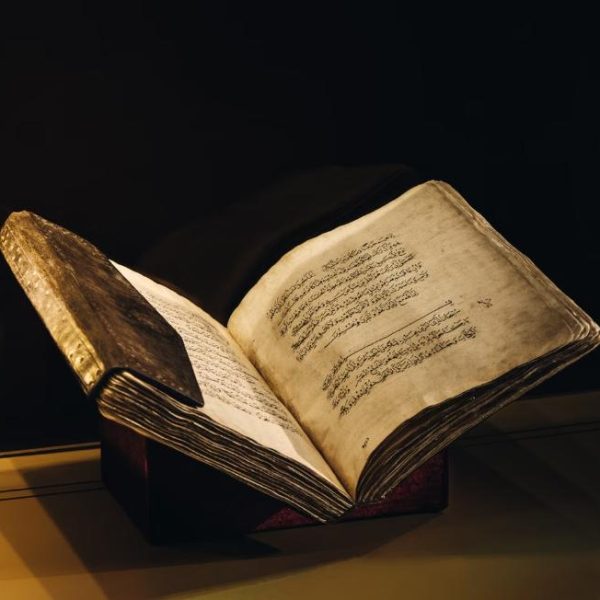
Paranormal stories are not just entertainment. Folklorists, anthropologists, and historians studying regional superstition often work with archival material, court records from historical witchcraft trials, or old exorcism logs that need to be presented as verified documents for publication or museum use. In those cases, researchers frequently require certified translation services so that the translated version carries the same legal and academic weight as the source material.
This distinction trips up plenty of independent researchers who assume any bilingual colleague can handle the job. Certified translation follows formatting and attestation standards that vary by institution, and academic journals or archives will often reject submissions that skip this step.
What keeps a scary story scary
According to the American Folklore Society, oral tradition depends heavily on performance and delivery, elements that written translation has to reconstruct rather than simply copy. A story that relies on a specific cadence or a culturally loaded pause loses something the moment it is flattened into plain text in another language.
That is precisely why the best horror translators treat their work less like transcription and more like adaptation. They ask what made the original audience afraid, then find the equivalent trigger for the new one, whether that means swapping a specific regional demon for a more universally recognizable figure or keeping the original name intact because its foreignness is part of the appeal.
Where the genre is headed
As paranormal content keeps crossing borders through streaming platforms, podcasts, and social media, the demand for translators who understand both language and atmosphere keeps growing alongside it. The stories that travel best are rarely the ones translated word for word. They are the ones adapted with enough care that a reader in an entirely different culture still feels the same prickle at the back of the neck that the original audience did.